
Explore the World with OG STAR

Stories, guides, and experiences from our journeys across the globe.

Travel Stories & Guides

Discover inspiring destinations, practical travel tips, and personal experiences from our team of globetrotters.

Back to Blog
Beautiful landscape in Ghana

Top 10 Hidden Gems in Ghana You Should Visit in 2025

Ghana, the gateway to West Africa, is home to stunning landscapes, vibrant cultures, and historical treasures that extend far beyond its famous coastal castles. While many travelers flock to Accra and Cape Coast, the true magic of Ghana lies in its hidden corners—places where nature, tradition, and adventure come together in breathtaking harmony.

From pristine waterfalls tucked in lush rainforests to remote villages where ancient customs thrive, Ghana offers experiences that few tourists ever discover. Whether you're seeking serenity, cultural immersion, or adrenaline-pumping adventures, these ten hidden gems will redefine your understanding of this incredible nation.

1. Wli Waterfalls, Volta Region
The highest waterfall in West Africa, Wli cascades down from 80 meters in the Agumatsa Wildlife Sanctuary. The journey through tropical forest to reach the falls is as rewarding as the destination itself. Visit during the rainy season for the most spectacular flow, and keep an eye out for fruit bats that nest near the upper falls.

2. Nzulezo Stilt Village, Western Region
This remarkable village sits entirely on stilts above Lake Tadane, accessible only by canoe. Dating back over 400 years, Nzulezo offers a glimpse into a unique way of life where homes, schools, and churches all float on water. The journey through mangrove forests to reach this UNESCO World Heritage site is unforgettable.

3. Shai Hills Resource Reserve, Greater Accra
Just an hour from Accra, this reserve features stunning rock formations, ancient caves, and wildlife including baboons, antelopes, and ostriches. The hiking trails offer panoramic views, and the reserve holds deep cultural significance for the Shai people who once inhabited these hills.

4. Tafi Atome Monkey Sanctuary, Volta Region
Home to the sacred Mona monkeys, this community-based ecotourism project allows visitors to walk freely among these friendly primates. The village considers the monkeys sacred, and the bond between community and wildlife creates a truly special experience that supports conservation and local development.

5. Larabanga Mosque, Northern Region
Built in 1421, this is West Africa's oldest mosque and a masterpiece of Sudanese architecture. The mud-and-stick structure has been maintained using traditional methods for six centuries. Nearby Mole National Park offers excellent safari opportunities with elephants, warthogs, and numerous bird species.

6. Boabeng-Fiema Monkey Sanctuary, Bono Region
Another sacred monkey sanctuary where black-and-white colobus monkeys and Lowe's monkeys roam freely. The forest atmosphere and cultural traditions surrounding these protected primates create an enchanting experience that emphasizes Ghana's commitment to wildlife conservation through community engagement.
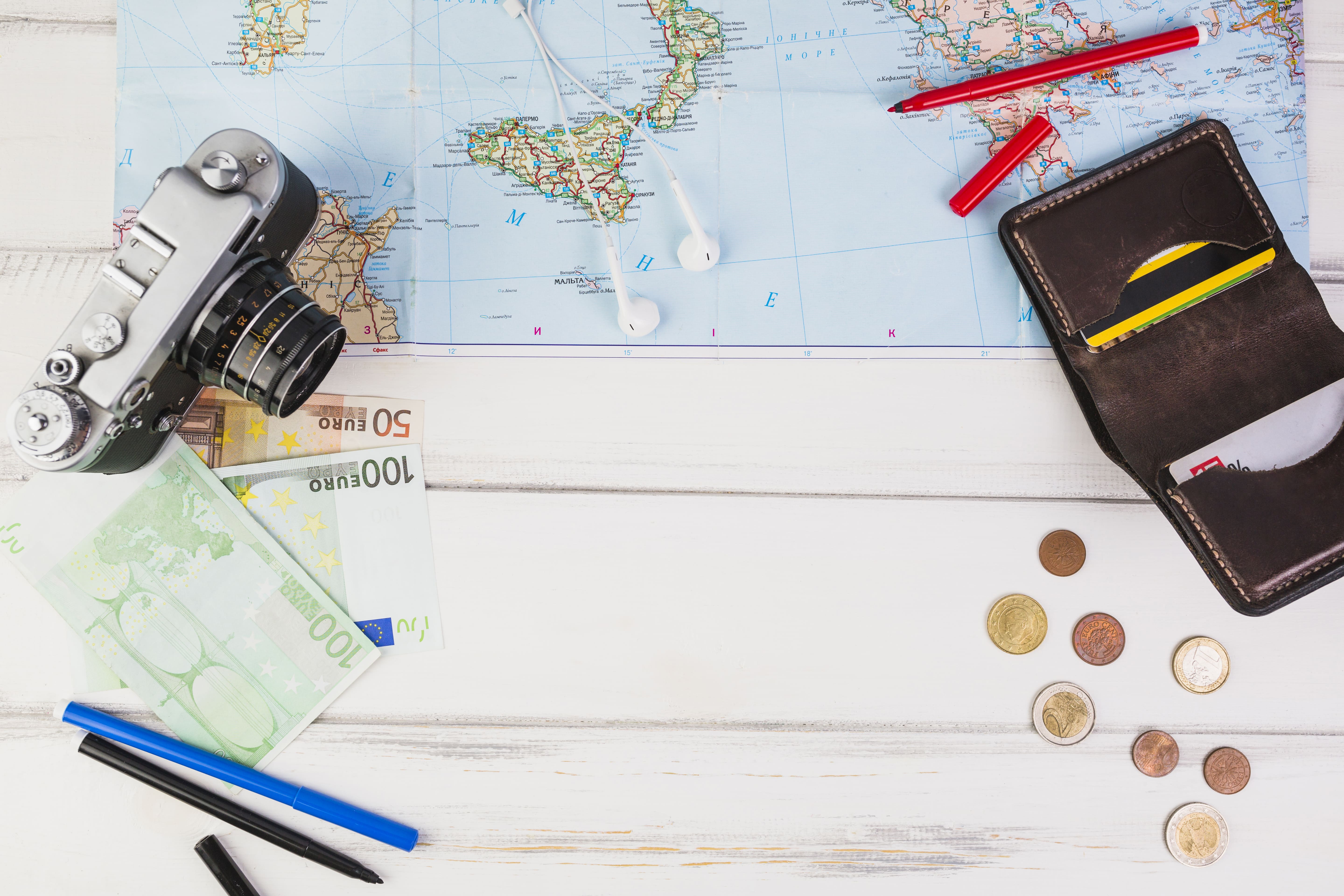
Budget travel essentials

How to Travel on a Budget and Still Live Your Dream Vacation

The dream of exploring new destinations doesn't have to remain just a dream because of budget constraints. With smart planning, flexibility, and insider knowledge, you can experience incredible adventures without draining your savings. The secret isn't about cutting corners—it's about traveling smarter and making every dollar work harder for you.

Budget travel has evolved beyond backpacking and hostels. Today's savvy travelers use technology, strategic timing, and local knowledge to access experiences that once seemed reserved for luxury travelers. From hidden accommodation gems to transportation hacks, the modern budget traveler can unlock premium experiences at a fraction of the traditional cost.

Strategic Flight Booking
The difference between an expensive and affordable trip often starts with airfare. Book flights on Tuesday or Wednesday when prices typically drop, and use incognito mode to avoid dynamic pricing. Consider nearby airports—flying into a secondary airport and taking ground transportation can save hundreds. Set price alerts on Google Flights or Skyscanner, and be flexible with dates; shifting your trip by just a few days can dramatically reduce costs.

Accommodation Alternatives
Skip expensive hotels and explore alternatives that offer authentic experiences. Airbnb apartments with kitchens let you save on meals while living like a local. House-sitting platforms like TrustedHousesitters offer free accommodation in exchange for pet care. Couchsurfing connects travelers with locals offering free stays, providing cultural immersion and insider tips. Consider guesthouses in residential neighborhoods rather than tourist zones—they're often cleaner, quieter, and half the price.

Eating Smart
Food is where budgets can spiral out of control or where you can save significantly while eating better. Eat where locals eat—street food and local markets offer authentic cuisine at local prices. Grocery stores and supermarkets provide ingredients for simple meals; even preparing just breakfast and snacks saves substantially. Many cities offer free walking tours where guides work for tips, and they'll share the best budget-friendly eating spots.

Transportation Hacks
Within destinations, avoid tourist taxis and ride-sharing surge pricing. Use local buses, metro systems, and shared vans—they're not just cheaper but offer authentic local experiences. Many cities have visitor transport cards offering unlimited rides. Rent bicycles for exploration; it's economical, healthy, and lets you discover hidden gems. For longer distances, overnight buses or trains save both transport and accommodation costs.

Free Attractions and Activities
Most destinations offer incredible free experiences if you know where to look. Many museums have free entry days or discounted evening hours. City parks, beaches, hiking trails, and architectural landmarks cost nothing but provide memorable experiences. Join free walking tours, attend local festivals, visit public markets, and watch street performances. Nature rarely charges admission—national parks and scenic viewpoints offer some of the best travel memories without entry fees.

Travel During Shoulder Season
Timing is everything in budget travel. Shoulder season—the period between peak and off-peak—offers the best value. You'll find lower prices on flights and accommodation, fewer crowds, and often better weather than the off-season. Europe in May or September, Southeast Asia in November or March, and the Caribbean in early December provide excellent conditions at reduced prices. Research your destination's seasonal patterns to find these sweet spots.

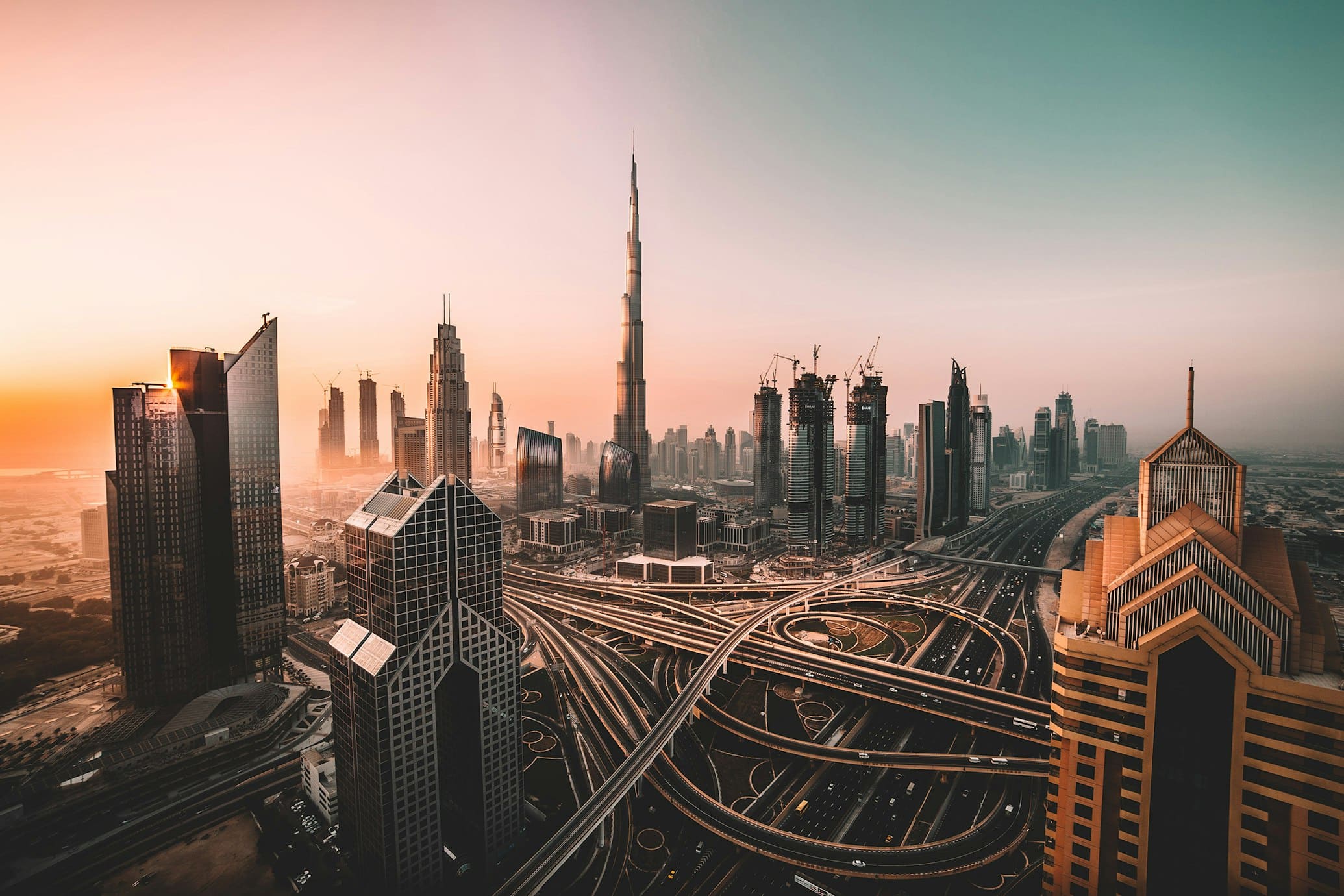
Dubai skyline

Landing Your Dream Job in Dubai: A Step-by-Step Guide for 2025

Dubai has transformed from a desert trading port into a global employment hub that attracts professionals from over 200 nationalities. With its tax-free salaries, modern infrastructure, and strategic position bridging East and West, Dubai offers career opportunities that combine professional growth with an enviable lifestyle. However, navigating Dubai's unique job market requires understanding its distinct hiring practices and cultural nuances.

The landscape for international workers in Dubai continues to evolve in 2025, with new visa categories, remote work options, and emerging industries creating fresh opportunities. Whether you're in technology, finance, hospitality, healthcare, or creative fields, Dubai's dynamic economy offers pathways for those who approach the job search strategically and understand what makes the Emirates employment market unique.

Understanding the Dubai Job Market
Dubai's economy thrives on sectors like real estate, tourism, finance, technology, and trade. The free zones—specialized business districts offering 100% foreign ownership—are major employers, particularly in media, technology, and healthcare. Understanding which sectors are growing and which free zones align with your expertise is crucial. Dubai Internet City focuses on tech, Dubai Media City on communications, and Dubai Healthcare City on medical services. Research companies in your field that have Dubai operations, as many international corporations use Dubai as their Middle East headquarters.

Preparing Your Application Materials
Dubai employers expect specific documentation formats. Your CV should be comprehensive, typically 2-3 pages, including your photo, nationality, visa status, and expected salary range. Unlike Western markets, including personal information is standard practice. Highlight international experience and any Arabic language skills. Professional certificates and degrees should be attested—a process where your educational credentials are verified by your home country's government and then by UAE authorities. Start this process early as it can take several weeks.

Job Search Strategies
Multiple channels exist for finding Dubai employment. International job sites like Bayt.com, GulfTalent, and Naukrigulf specialize in Middle East positions. LinkedIn is increasingly important—ensure your profile highlights international experience and includes relevant keywords. Many positions are filled through recruitment agencies that specialize in placing international candidates. Consider attending job fairs in Dubai or major cities; companies often conduct mass hiring events. Networking matters immensely—join professional associations and attend industry events, as personal connections frequently lead to opportunities.

Understanding the Visa Process
Employment in Dubai requires employer sponsorship for your residence visa. The typical process involves receiving a job offer, undergoing medical examinations, obtaining security clearance, and having your employer process your residence visa. The new Golden Visa program offers long-term residency for highly skilled professionals, investors, and exceptional students. Since 2021, remote work visas allow individuals to live in Dubai while working for companies based elsewhere—a game-changer for digital professionals. Understanding these visa categories helps you position yourself correctly with potential employers.

Salary Negotiations and Benefits
Dubai compensation packages typically include basic salary plus substantial benefits. Standard packages include housing allowance, annual flight tickets home, medical insurance, and education allowances if you have children. End-of-service benefits (similar to severance pay) are mandatory. Salaries are tax-free, but cost of living, particularly housing, is high. Research typical compensation for your role and experience level—sites like Salary Explorer and Glassdoor provide benchmarks. Don't accept the first offer; negotiation is expected, especially regarding housing allowances and flights.

Cultural Adaptation and Expectations
Success in Dubai requires understanding local business culture. The work week runs Sunday through Thursday, with Friday and Saturday as the weekend. Respect for Islamic practices is essential—be aware of prayer times and Ramadan customs. Professional dress codes are conservative, particularly in government-linked entities. Building relationships takes time; business often happens after establishing personal connections over coffee or meals. Punctuality is valued, and hierarchical respect is important. Understanding and embracing these cultural elements significantly improves your chances of not just landing a job but thriving in Dubai's unique professional environment.

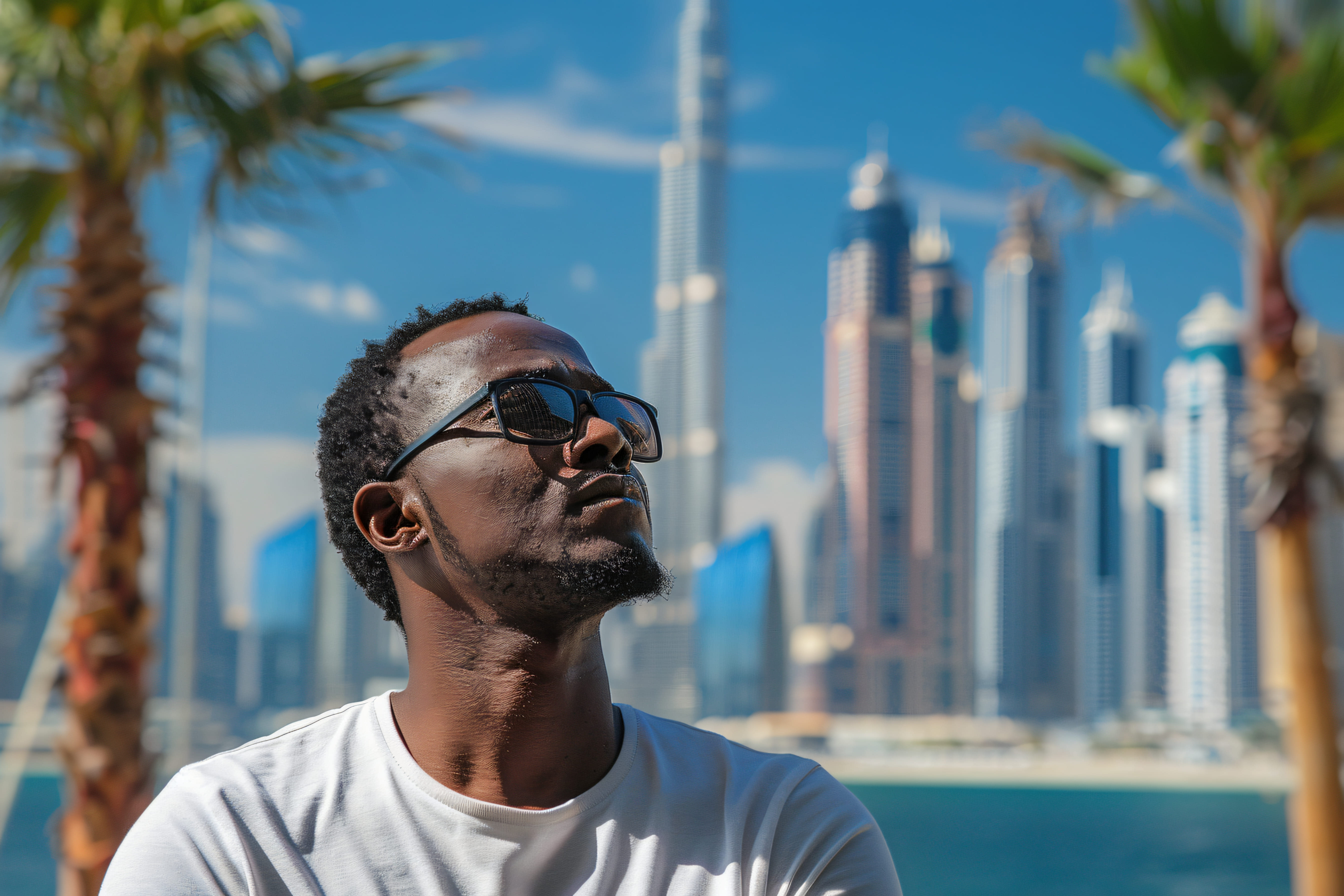
Dubai Marina lifestyle

Life in Dubai: How to Work, Stay, and Thrive Abroad

Moving to Dubai represents more than a career change—it's a complete lifestyle transformation. This gleaming metropolis where ancient Bedouin traditions meet futuristic innovation offers expatriates an experience unlike any other global city. With over 85% of its population being foreign-born, Dubai has perfected the art of welcoming international residents while maintaining its unique cultural identity.

Life in Dubai balances cosmopolitan luxury with practical challenges. From finding the right neighborhood to navigating social customs, understanding local banking to building a social network, success in Dubai requires preparation, flexibility, and cultural awareness. Those who invest time in understanding the city's rhythms and unwritten rules discover a quality of life that keeps many expatriates extending their planned "two-year stint" into decades-long residencies.

Finding Your Perfect Neighborhood
Dubai's neighborhoods each have distinct personalities and price points. Dubai Marina offers waterfront living with a cosmopolitan vibe, popular among young professionals and featuring numerous restaurants and beaches. Jumeirah Beach Residence (JBR) provides beachfront apartments with resort-style amenities. Downtown Dubai, home to Burj Khalifa, offers luxury high-rises within walking distance of Dubai Mall. For families, Springs, Meadows, and Arabian Ranches provide villa communities with parks and schools. More affordable options include International City, Discovery Gardens, and older areas like Deira and Bur Dubai. Consider proximity to your workplace—traffic during rush hour can be intense, and living near your office significantly improves daily life.

Cost of Living Reality Check
While Dubai salaries are tax-free, living costs vary dramatically based on lifestyle choices. Rent typically consumes 30-40% of income, with annual payment required upfront (though multiple checks spread throughout the year are standard). A one-bedroom apartment in popular areas costs AED 50,000-100,000 annually ($13,600-$27,200). Groceries from supermarkets are comparable to Western prices; local markets offer savings. Dining out ranges from inexpensive local restaurants (AED 20-30 per meal) to high-end establishments (AED 300+). Transportation costs depend on car ownership versus using Dubai's excellent metro and bus system. Entertainment, from desert safaris to theme parks, can add up, but free activities like beaches and parks help balance the budget.

Healthcare and Education
Dubai's healthcare system is excellent but operates on health insurance. Employers must provide basic medical insurance, but many upgrade to premium plans for comprehensive coverage including international hospitals. Major hospitals like American Hospital, Mediclinic, and Aster offer world-class care. For families, education is a significant expense—international schools follow various curricula (British, American, IB, French) with annual fees ranging from AED 20,000 to over AED 100,000 depending on the school and grade level. Many employment packages include education allowances; negotiate this thoroughly if you have children. The quality of education in top international schools is exceptional, offering global perspectives and strong academic programs.

Social Life and Community Building
Dubai's transient nature means most residents are building new social networks. Join groups through Meetup, Facebook communities, or platforms like InterNations that organize professional and social gatherings. Sports clubs, fitness centers, and hobby groups provide natural networking opportunities. Professional associations and business networking events help build career connections that often evolve into friendships. Many people meet through their compounds or neighborhoods, particularly in family-friendly communities. The weekend starts Thursday evening; beach clubs, brunch, and desert activities fill Fridays. Beach access is plentiful—both public beaches and private beach clubs offer year-round enjoyment. Understanding that most relationships are with other expatriates helps set realistic expectations; embrace the global nature of friendships rather than seeking only connections with people from your home country.

Navigating Cultural Norms
Dubai balances Islamic tradition with international cosmopolitanism, requiring cultural sensitivity. Dress modestly in public spaces, though beach wear is acceptable at pools and beaches. Public displays of affection beyond holding hands are frowned upon. During Ramadan, eating, drinking, and smoking in public during daylight hours is prohibited and disrespectful. Alcohol is available in licensed venues—hotels, restaurants, and clubs—and residents can obtain liquor licenses for home consumption. Friday is the holy day; many businesses are closed or operate on reduced hours. Photography requires consent, particularly when photographing people or government buildings. Understanding these boundaries shows respect and helps avoid legal issues. Most importantly, approach cultural differences with curiosity rather than judgment; Dubai's success comes from cultural respect and adaptation.

Long-term Success Strategies
Thriving in Dubai extends beyond the initial adjustment period. Build financial resilience by maintaining savings despite tax-free income—remember you'll eventually need to move. Keep professional skills current and network actively; Dubai's job market is competitive and companies restructure regularly. Maintain connections with your home country for eventual repatriation. Take advantage of Dubai's global connectivity—travel to Asia, Africa, and Europe is affordable and easy. Engage with Emirati culture through heritage sites, museums, and cultural programs; understanding your host country enriches the experience. Join volunteer programs—organizations like Dubai Cares and Emirates Red Crescent welcome expatriate involvement. Balance work with life; Dubai's intensity can lead to burnout if you don't actively create boundaries. Those who view Dubai as a temporary chapter but invest fully in the experience find it among the most rewarding periods of their lives, opening perspectives and opportunities that extend far beyond the time spent in this remarkable city.