
Kumasi, Ashanti Region, Ghana
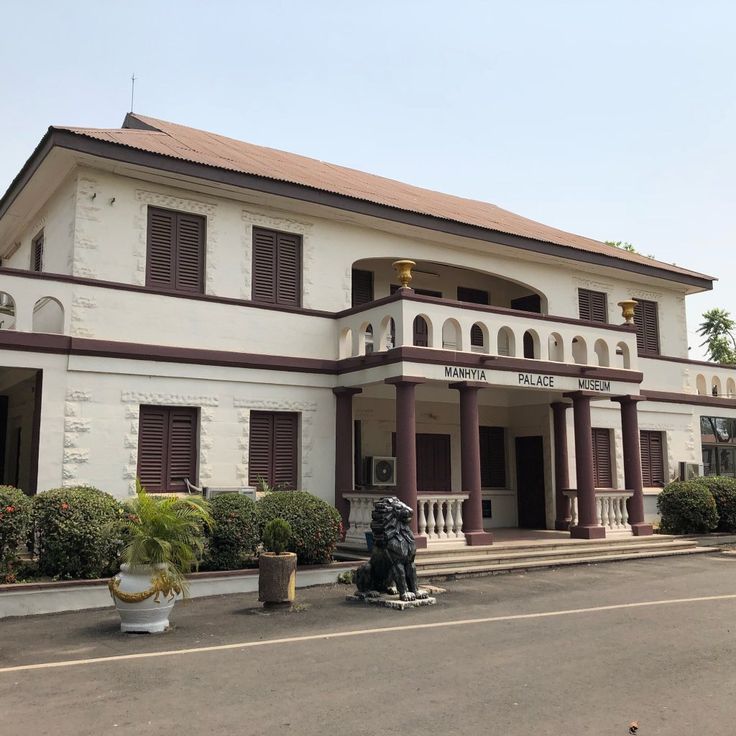
Manhyia Palace is the official residence and administrative seat of the Asantehene, the King of the Ashanti Kingdom, located in Kumasi, the cultural capital of Ghana. This magnificent palace serves as the political and cultural heart of the Ashanti people, representing one of Africa's most enduring traditional monarchies. The current palace, built in 1972, stands on the site of the original palace constructed in 1925, and continues to be the center of Ashanti cultural life, where important decisions affecting the kingdom are made and traditional ceremonies are performed.
More than just a royal residence, Manhyia Palace is a living museum that preserves and showcases the rich heritage of the Ashanti Kingdom. The palace complex includes the Prempeh II Jubilee Museum, which houses an impressive collection of Ashanti artifacts, royal regalia, historical photographs, and personal effects of former kings. Visitors to Manhyia Palace gain unique insights into the sophisticated political system, vibrant culture, and enduring traditions of the Ashanti people, making it an essential destination for anyone seeking to understand Ghana's rich cultural landscape and the continued relevance of traditional authority in modern Ghana.
The palace is open year-round, but visiting during the Akwasidae Festival (every 6 weeks) offers the chance to witness traditional ceremonies and see the Asantehene in full regalia. The Adae Kese festival in November is particularly spectacular. Weekday mornings are generally quieter for tours.
Guided tours last approximately 1-2 hours and include visits to the museum, palace grounds, and ceremonial spaces. Knowledgeable guides share fascinating stories about Ashanti history, culture, and the significance of various artifacts. Photography is permitted in most areas except during private ceremonies.
Visitors should dress modestly and respectfully. When meeting the Asantehene or during ceremonies, remove hats and sunglasses, avoid pointing, and follow the guide's instructions on proper protocol. It's customary to offer a small gift when granted an audience with traditional authorities.
Photography is allowed in the museum and palace grounds but may be restricted during ceremonies or when the Asantehene is present. Always ask permission before photographing people, especially traditional leaders and ceremonial participants. Some artifacts may have photography restrictions.
per person (based on double occupancy)
Group discounts available for 8+ people
The Golden Stool, the most sacred symbol of the Ashanti Kingdom, is believed to contain the soul of the Ashanti nation. While the actual Golden Stool is never displayed and is kept in a secret location, the museum features a replica and detailed information about its significance and the legends surrounding its creation.
The Prempeh II Jubilee Museum showcases an extraordinary collection including the personal effects of King Prempeh II, traditional war attire, ceremonial drums, golden jewelry, and historical photographs documenting Ashanti resistance against colonial rule. The museum provides deep insights into Ashanti royal traditions.
The Royal Durbar Hall, where the Asantehene meets with chiefs and dignitaries, features impressive traditional architecture and ceremonial decorations. This is where important decisions affecting the Ashanti Kingdom are made, and where visitors can sometimes witness traditional court proceedings.
Kejetia Market, West Africa's largest open-air market, is just a short distance from the palace. This bustling marketplace offers an authentic glimpse into daily Ashanti life and is perfect for purchasing traditional crafts, Kente cloth, and souvenirs after your palace tour.
 Featured
 Featured
 Featured
 Featured
 FEATURED
 Featured
 Featured
 Featured
 Featured
 Featured
 Featured
 Featured
 Featured
 Featured
Step into the heart of Ashanti culture at Manhyia Palace, where centuries of tradition and royal heritage come alive. Explore the fascinating museum, witness traditional ceremonies, and gain deep insights into one of Africa's most enduring monarchies. Our expert cultural guides will share captivating stories and provide exclusive access to this remarkable symbol of Ghanaian cultural identity.